The Science Behind Wireless Charging: How It Works and Why It Matters
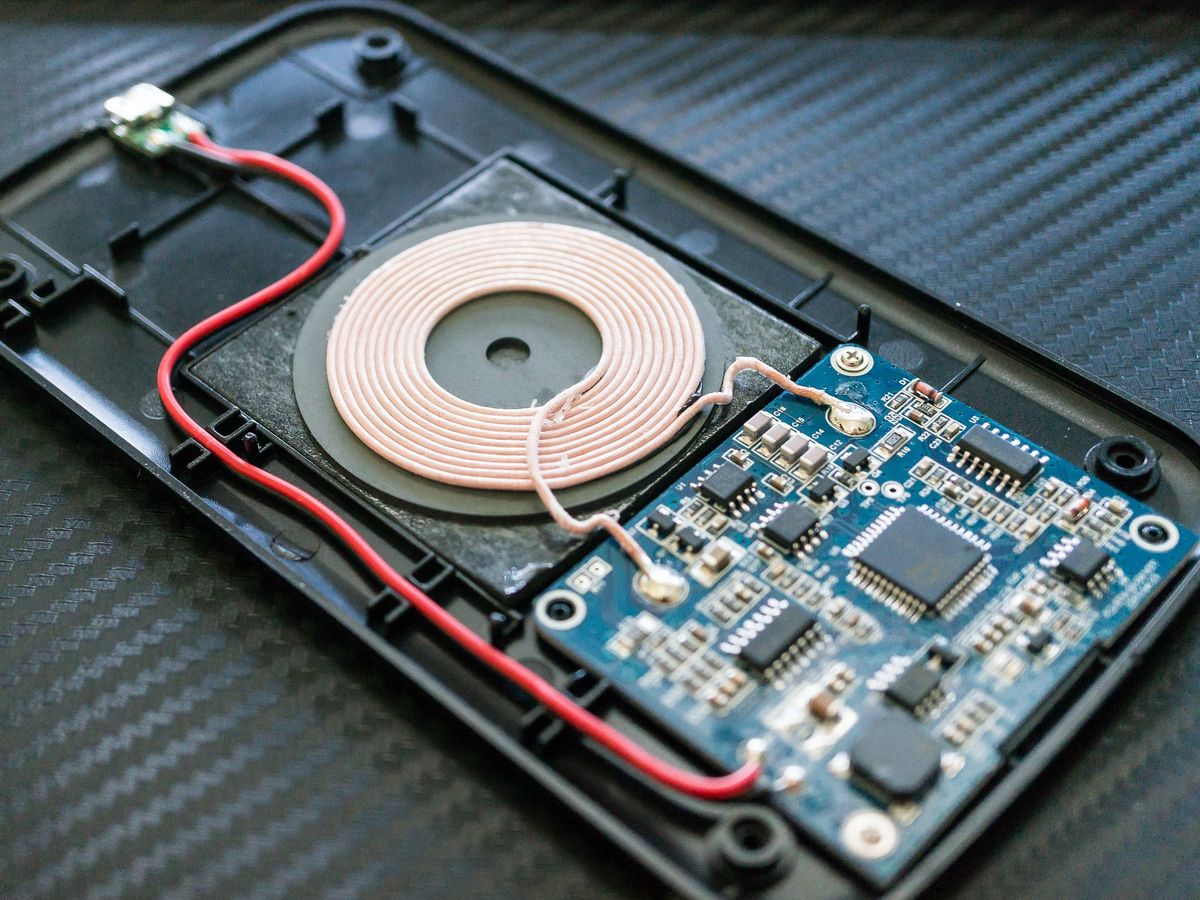
The science behind wireless charging revolves around the principles of electromagnetic induction. This process utilizes an alternating magnetic field to transfer energy between two coils: a transmitter coil in the charging pad and a receiver coil in the device being charged. When the transmitter coil is energized, it creates a magnetic field that induces an electric current in the receiver coil. This current is then converted into the direct current (DC) needed to charge the device's battery. The technology, primarily governed by the Qi wireless charging standard, is not just convenient but also enhances the longevity of devices by minimizing wear and tear caused by plugging and unplugging cables.
Understanding why wireless charging matters extends beyond mere convenience. It allows for greater design flexibility for smartphones and other gadgets, paving the way for sleeker, more streamlined devices free from the constraints of charging ports. Moreover, as the prevalence of electric vehicles and smart home devices increases, wireless charging technologies have the potential to revolutionize how we power our daily lives. The integration of wireless charging in public spaces not only contributes to a more seamless user experience but also encourages the adoption of more advanced energy solutions, promoting a healthier planet by reducing electronic waste associated with damaged chargers and cables.
Top 5 Advantages of Wireless Charging Over Traditional Methods
Wireless charging has gained immense popularity in recent years, owing to its convenience and user-friendly technology. One of the most notable advantages is the absence of cables, which means no more tangled cords or fumbling around trying to plug in your device. Instead, you simply place your smartphone or gadget on a charging pad, and the process starts automatically. This hassle-free experience not only simplifies daily routines but also enhances the aesthetic of your workspace or home, giving it a modern touch.
Another significant benefit of wireless charging is its versatility. Many new devices are designed to support wireless charging, from smartphones to smartwatches and even some laptops. This multi-device capability allows for a more organized charging station, eliminating the need for multiple chargers and reducing clutter. Furthermore, wireless chargers often come with features like fast charging and compatibility with various models, making them a smart investment for tech-savvy users looking to streamline their charging solutions.
Is Wireless Charging Safe? Debunking Common Myths
Wireless charging has become increasingly popular, but is wireless charging safe? Many consumers are understandably cautious, given the proliferation of myths surrounding this technology. One common misconception is that wireless chargers emit harmful radiation. In reality, the electromagnetic fields produced during the charging process are minimal and well within safety guidelines set by organizations such as the World Health Organization (WHO). A 2018 study found that exposure to electromagnetic fields from wireless chargers is considerably lower than the typical electromagnetic exposure encountered in everyday life, such as from Wi-Fi devices and smartphones.
Another myth is that wireless charging can damage your device's battery life. While it’s true that heat can affect battery performance, reputable wireless chargers are designed with integrated cooling features to mitigate this issue. Furthermore, most modern smartphones come equipped with sophisticated battery management systems that regulate temperature during charging. If you’re using a certified and compatible wireless charger, you can charge your device without worrying about compromising its battery health. In summary, wireless charging is safe, provided you adhere to the manufacturer’s guidelines and use quality charging equipment.