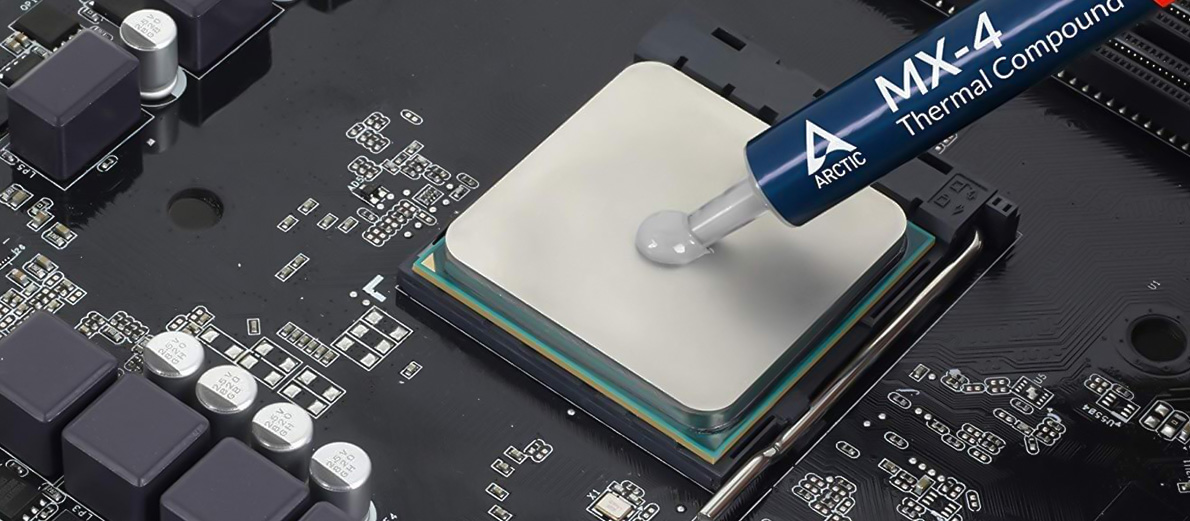
Why Proper Application of Thermal Paste is Essential for CPU Performance
Proper application of thermal paste is critical for optimizing CPU performance. Thermal paste acts as a conduit for heat transfer between the CPU and the heatsink, ensuring that excess heat generated during operation is efficiently dissipated. Without thermal paste, or with an inadequate amount, heat can build up, leading to overheating and potential throttling or damage to the CPU. This is why understanding the correct application method is essential for anyone looking to maintain their system’s reliability and longevity.
When applying thermal paste, several best practices should be followed. First, ensure that both surfaces—the CPU and the heatsink—are clean and free from any residual paste. Next, a small, pea-sized amount of thermal paste should be placed in the center of the CPU. Once the heatsink is mounted, it will spread the paste evenly across the surface. This technique reduces the risk of air pockets, which can severely hinder thermal conductivity. Following these steps will help maintain optimal temperatures, ensuring your CPU operates efficiently under load.
Counter-Strike is a popular first-person shooter game that has captivated millions of players worldwide. It requires strategy, teamwork, and quick reflexes to succeed in various competitive modes. Players can enhance their gaming setup with Top 10 Laptop Accessories to Prevent Overheating, ensuring optimal performance during intense matches.
Common Myths About Thermal Paste Debunked
When it comes to computer maintenance, one of the most persistent myths about thermal paste is that it never needs to be replaced. Many users believe that once the thermal paste is applied, it remains effective indefinitely. However, this is not the case. Over time, thermal paste can dry out and lose its effectiveness, leading to higher temperatures and reduced performance. It's essential to check the condition of your thermal paste periodically, especially if you're experiencing overheating issues. A good rule of thumb is to replace it every couple of years or whenever you upgrade or remove the CPU cooler.
Another common misconception is that all thermal pastes are the same and any type will do. This is untrue, as the performance of thermal paste can vary significantly based on its composition. For instance, metal-based pastes generally offer superior thermal conductivity compared to silicon-based ones. Furthermore, uses vary; some thermal pastes are better suited for high-performance builds, while others are intended for standard applications. Thus, it is crucial to choose the right thermal paste based on your specific needs to ensure optimal cooling and performance.
How Often Should You Replace Thermal Paste for Optimal Cooling?
Replacing thermal paste is essential for maintaining optimal cooling performance in your computer. How often should you replace thermal paste? Generally, it is recommended to replace thermal paste every 2 to 3 years. Over time, thermal paste can dry out and lose its effectiveness, leading to poorer heat transfer between the CPU or GPU and the heatsink. Signs that it may be time for a replacement include increased temperatures during use, throttling issues, or audible fan noise indicating that the cooling system is working harder than usual.
However, if you are frequently overclocking your system or subjecting it to heavy workloads, you might need to consider replacing the thermal paste more often. Best practices include monitoring your CPU and GPU temperatures regularly and performing a thorough cleaning when you decide to replace the paste. When applying new thermal paste, ensure that the surface is clean and free from any residue. Following these steps will help you achieve the best cooling performance and extend the lifespan of your components.