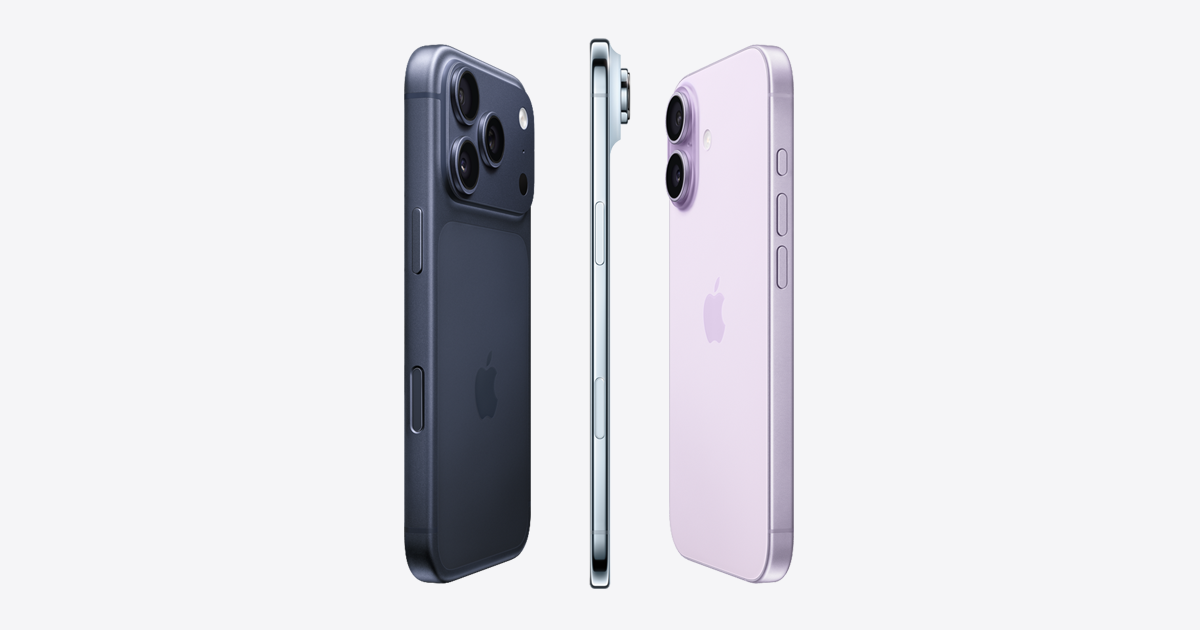
The Evolution of Smartphones: How They Became Essential Tools
The evolution of smartphones can be traced back to the early 1990s when devices like the IBM Simon Personal Communicator emerged. Initially, smartphones served primarily as a means of communication, integrating basic emailing and messaging features. Over time, technology advanced, and by the mid-2000s, smartphones began to include touch screens, advanced operating systems, and the ability to run third-party applications. This shift not only enhanced user experience but also sparked a massive demand for mobile applications, making smartphones indispensable in both personal and professional life.
Today, smartphones have transformed into essential tools that offer a myriad of functionalities—from social networking and mobile banking to personal organization and health monitoring. With the introduction of 5G technology and AI integration, smartphones are evolving further, enabling faster connectivity and smarter applications. Additionally, as consumers increasingly rely on these devices for everyday tasks, the importance of smartphones in our daily routines becomes ever more apparent. Their versatility continues to redefine how we communicate, learn, and interact with the world around us.
Counter-Strike is a highly popular first-person shooter game that has gained a massive following since its inception. It features intense team-based gameplay where players must work together to complete objectives while eliminating the opposing team. For gamers on the go, having the right equipment can enhance the experience; check out the Top 10 magsafe car mounts to ensure you have the best setup in your car.
10 Amazing Features of Modern Smartphones You Didn't Know About
Modern smartphones come packed with amazing features that enhance user experience and functionality beyond basic communication. One such feature is Augmented Reality (AR), which allows users to overlay digital information onto the real world through their camera. This technology is not just for gaming; it has practical applications in interior design, education, and even navigation. Another impressive feature is the presence of AI-driven photography capabilities, enabling smartphones to analyze scenes and adjust settings automatically for stunning photos, even for amateur photographers.
Additionally, 5G connectivity is revolutionizing the way we use smartphones, providing incredibly fast internet speeds that make streaming, gaming, and downloads seamless. Modern devices also include features like facial recognition and in-display fingerprint sensors for enhanced security, making it easier and safer to unlock devices and access sensitive information. Lastly, many smartphones now incorporate large-capacity batteries combined with advanced power management systems, ensuring all-day usage without the continual need for recharging.
How Smartphones Have Transformed Communication and Connectivity
Since their inception, smartphones have dramatically transformed the way we communicate and connect with one another. Gone are the days of relying solely on landlines or written letters; with a simple tap on a screen, we can now reach out to anyone around the globe. This evolution has enabled instant communication through various formats including text messages, emails, and video calls. The technological advances in smartphones have made it possible to share not only words but also images and videos in real time, reinforcing the bond between people and enhancing the quality of interactions.
Moreover, smartphones have integrated social media platforms into our daily lives, creating a space where individuals can share their thoughts, experiences, and updates with a broader audience. This connectivity fosters a sense of community and belonging, even among those who may be miles apart. With the rise of applications designed specifically for instant messaging and social networking, the barriers that once separated us have diminished, making the world feel smaller and more accessible. Consequently, the impact of smartphones extends beyond mere utility; it shapes our social fabric and influences how we relate to one another in the digital age.