How RFID Technology is Enhancing Your Daily Convenience
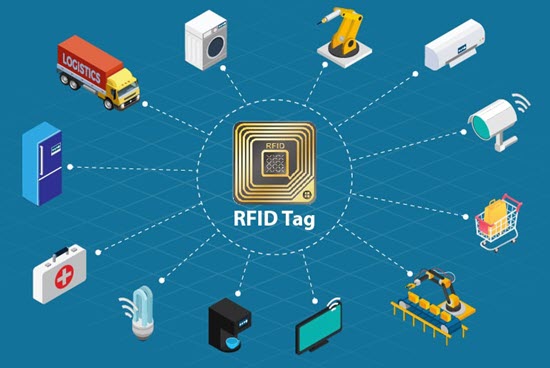
RFID technology (Radio-Frequency Identification) is revolutionizing the way we interact with our everyday items, making our daily tasks more efficient and streamlined. From the moment you leave your home to running errands, RFID tags are enhancing convenience in numerous ways. For instance, retailers utilize RFID to manage inventory more effectively, allowing customers to find products quickly and easily. This results in shorter wait times at checkout and a more enjoyable shopping experience.
Moreover, RFID technology extends its convenience to personal items, such as keys and wallets. Many people now rely on RFID-enabled tracking devices that can help locate misplaced belongings in seconds. With features like smart tags and linked apps, individuals can receive alerts when items are out of range. The integration of RFID technology into everyday life not only fosters greater organization but also saves time, ultimately enhancing overall productivity.
Counter-Strike is a popular tactical first-person shooter game that has captivated millions of players around the world. In this competitive game, players join either terrorist or counter-terrorist teams to complete objectives or eliminate their opponents. The game's strategic elements, along with its emphasis on teamwork and skill, make it a staple in the eSports community. If you're looking for gear to elevate your gaming experience, check out the Top 10 magsafe wallets for stylish and functional options.
The Role of RFID in Supply Chain Management: A Game Changer
Radio Frequency Identification (RFID) technology has emerged as a game changer in the landscape of supply chain management. By enabling real-time tracking and monitoring of goods, RFID significantly enhances visibility across the supply chain. With the ability to capture data automatically, this technology reduces human error and operational costs. Organizations leveraging RFID can achieve a streamlined inventory management process, allowing for timely identification of stock levels and improving the overall efficiency of their logistics operations.
Furthermore, the integration of RFID can transform the way businesses respond to market demands. As mentioned in various case studies, companies utilizing RFID have reported up to a 30% reduction in inventory holding costs and a 50% decrease in stock discrepancies. This technology not only boosts accuracy but also supports better decision-making through data analytics. Ultimately, adopting RFID in supply chain management not only enhances operational performance but also helps organizations stay competitive in an ever-evolving market.
What You Need to Know About RFID Security and Privacy Concerns
Radio Frequency Identification (RFID) technology has revolutionized various industries by enabling automatic identification and tracking of objects. However, with the convenience of RFID comes significant security and privacy concerns. Data transmitted via RFID can be easily intercepted, making it susceptible to unauthorized access. Hackers can exploit vulnerabilities in RFID systems, leading to issues such as data theft and identity fraud. Therefore, understanding the implications of RFID technology on privacy is crucial for both businesses and consumers.
To mitigate the risks associated with RFID, it's essential to implement robust security measures. Here are some key practices that can enhance RFID security:
- Encryption: Encrypting the data transmitted between RFID tags and readers ensures that even if intercepted, the data remains unreadable.
- Access Control: Limiting access to RFID systems and maintaining strict user authentication can prevent unauthorized usage.
- Awareness and Training: Educating employees about RFID privacy concerns and security protocols helps in recognizing potential threats.
By staying informed and proactive, individuals and organizations can reduce their vulnerability to RFID-related risks.