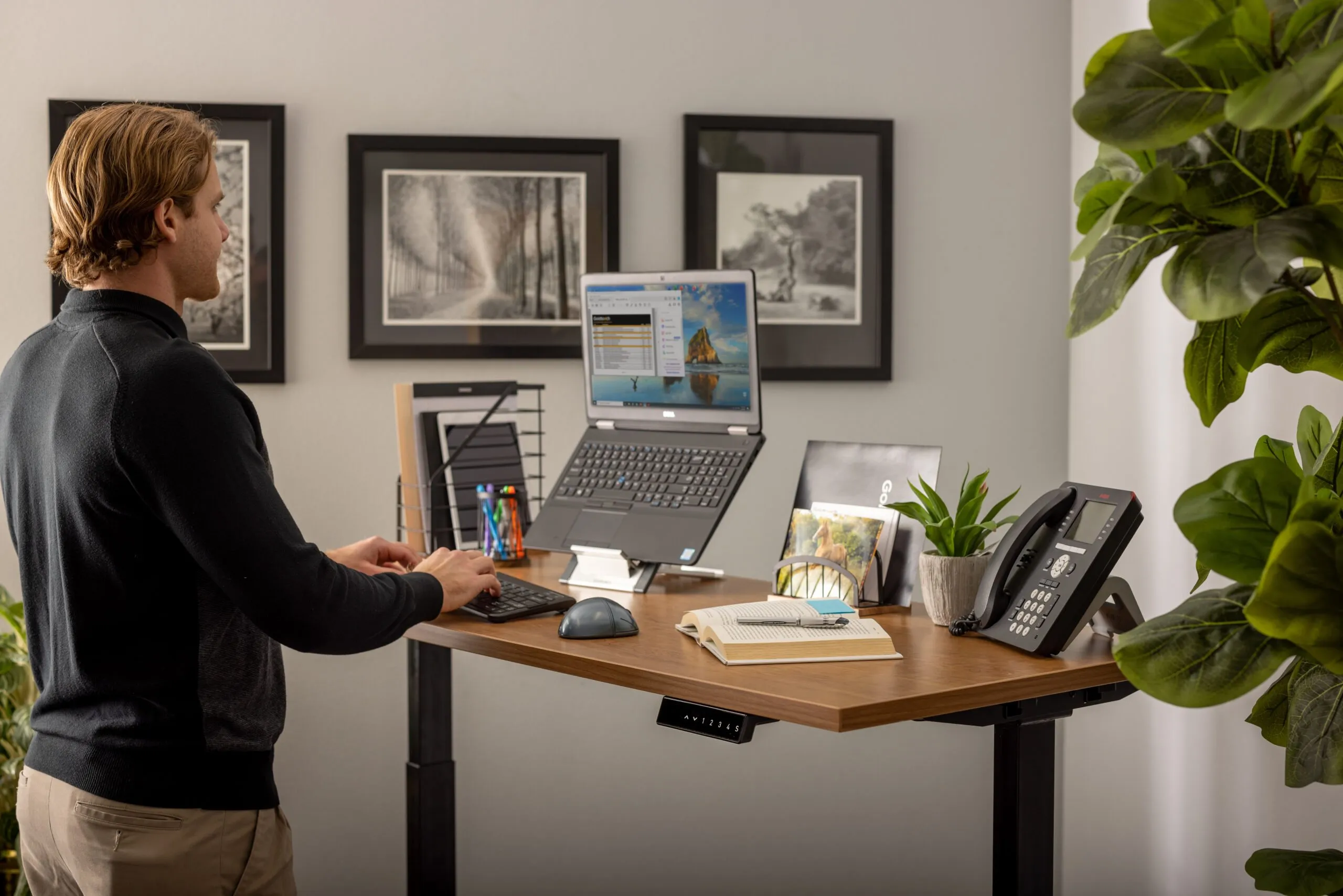
How Ergonomics Can Transform Your Workspace for Better Productivity
Ergonomics plays a crucial role in enhancing your workspace, providing numerous benefits that contribute to better productivity. By optimizing chair height, desk arrangement, and monitor position, you can create a more comfortable and efficient work environment. For instance, adjusting your chair to ensure that your feet are flat on the ground while maintaining an upright posture can significantly reduce fatigue. Furthermore, placing your monitor at eye level can prevent neck strain and allow for longer periods of focused work.
Implementing ergonomic practices not only boosts individual productivity but also fosters a healthier workplace culture. Consider integrating elements such as ergonomic accessories like wrist rests and footrests, which can help mitigate repetitive strain injuries. To maximize the benefits, try a sit-stand desk, encouraging movement and reducing the negative effects of prolonged sitting. Ultimately, transforming your workspace with ergonomic principles can lead to enhanced focus, improved morale, and increased overall efficiency.
Counter-Strike is a highly popular tactical first-person shooter game that emphasizes teamwork and strategy. Players can choose to be part of either the terrorist or counter-terrorist teams, each with specific objectives. For those looking to enhance their gaming setup, consider checking out the Top 10 iphone desk stands to ensure your devices are organized and easily accessible while playing.
The Science Behind Ergonomics: Why Comfort Equals Efficiency
Ergonomics is the science of designing the workspace and tools to fit the user, rather than forcing the user to adapt to uncomfortable conditions. The fundamental principle behind ergonomics is that the right setup can significantly enhance efficiency and productivity. Studies have shown that proper ergonomics can lead to a reduction in workplace injuries and discomfort, which in turn boosts employee satisfaction and overall output. According to experts, integrating ergonomic principles into workplace design can minimize repetitive strain injuries, back pain, and eye strain, substantially improving comfort levels for workers.
Comfort and efficiency are intimately linked. When employees are comfortable, they are less likely to experience fatigue and distraction, allowing them to focus better on their tasks. Incorporating ergonomic furniture, such as adjustable chairs and desks, can lead to not only greater comfort but also a measurable increase in productivity. One study concluded that ergonomic interventions could enhance efficiency by up to 25%, illustrating the undeniable impact of a well-designed work environment. By understanding and applying the science behind ergonomics, businesses can create a healthier work atmosphere that drives sustainable growth and success.
Are You Sitting Correctly? Common Ergonomic Mistakes to Avoid
In today's digital age, many of us spend countless hours sitting at our desks, often falling victim to common ergonomic mistakes that can lead to discomfort and long-term health issues. One of the most prevalent issues is having your chair set at the wrong height. When your feet do not rest flat on the ground or your knees are at an awkward angle, it can create unnecessary strain on your back, leading to pain over time. Another common mistake is the placement of your computer monitor: it should be at eye level to prevent you from leaning forward or straining your neck. By making simple adjustments, such as investing in an adjustable chair or monitor stand, you can dramatically improve your sitting posture.
Additionally, many people neglect the importance of taking regular breaks. It’s easy to get absorbed in work, but sitting for extended periods without moving can contribute to a host of physical problems, from poor circulation to decreased productivity. Experts recommend following the 20-20-20 rule: every 20 minutes, take a 20-second break to look at something 20 feet away. This not only helps relax your eyes but also encourages you to stand up and stretch. To optimize your workstation ergonomically, consider organizing your desk setup in a way that minimizes twisting and reaching, enabling you to maintain a neutral position while working.